So, you're thinking about becoming a model. Exciting! But then you start researching how to apply to modelling agencies, and suddenly you're surrounded by unfamiliar terms: digitals, polaroids, portfolio, test shoots, comp cards…
And naturally, you're wondering: Do I need to book a professional photoshoot before I can even apply to a modelling agency?
The short answer? No, not necessarily!
In fact, most established UK modelling agencies don't expect beginners to have professional photographs at all. But that doesn't mean professional portfolio photos aren't useful. They simply serve a different purpose.
In this guide, I'll explain the difference between model digitals and portfolio photographs, what agencies actually want to see, and when booking a professional photoshoot might make sense for you.
First, What's the Difference Between Model Digitals and Portfolio Photos?
Let's make this simple.
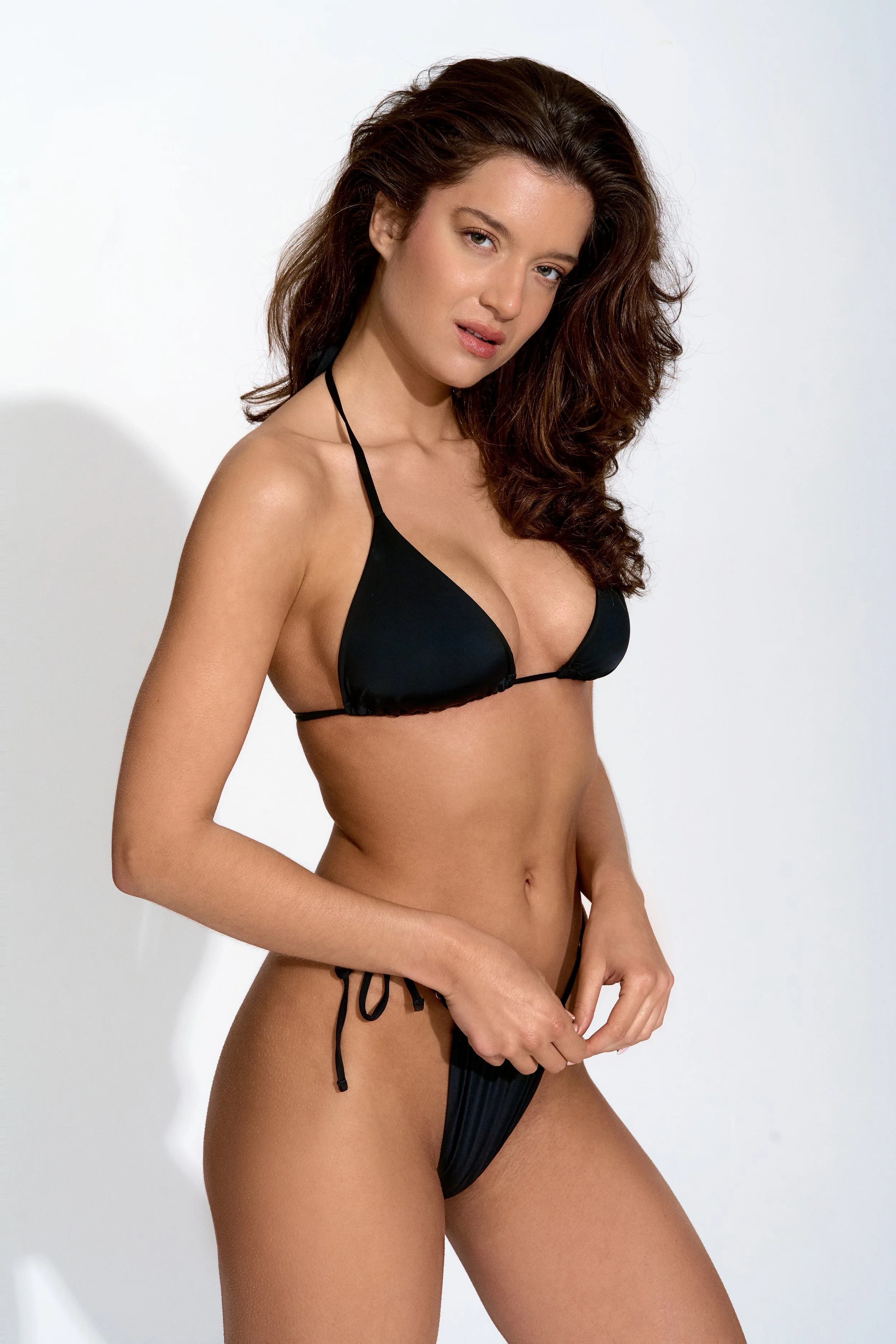
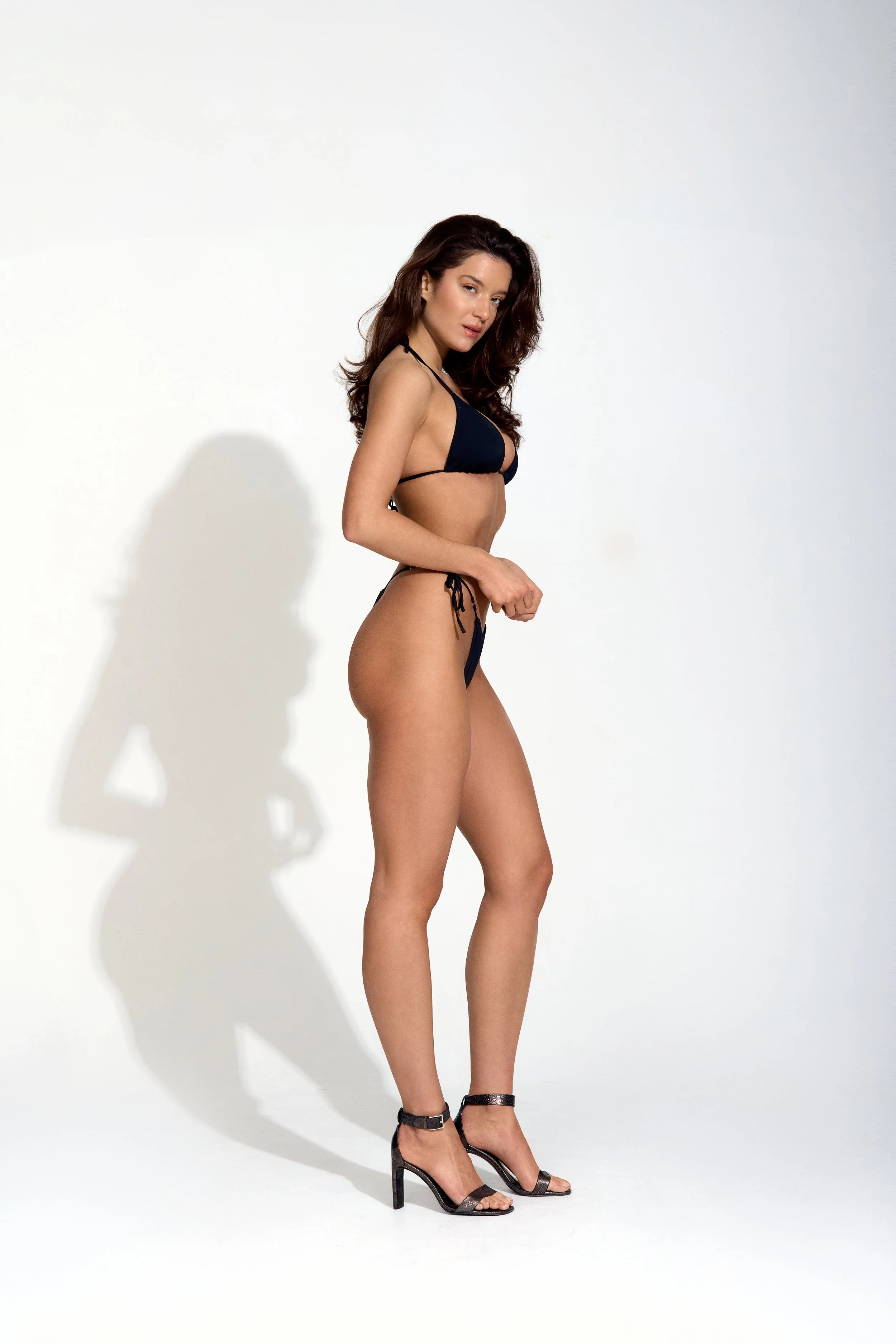
Model digitals (also called polaroids or polas) are natural, unedited photographs showing what you actually look like.
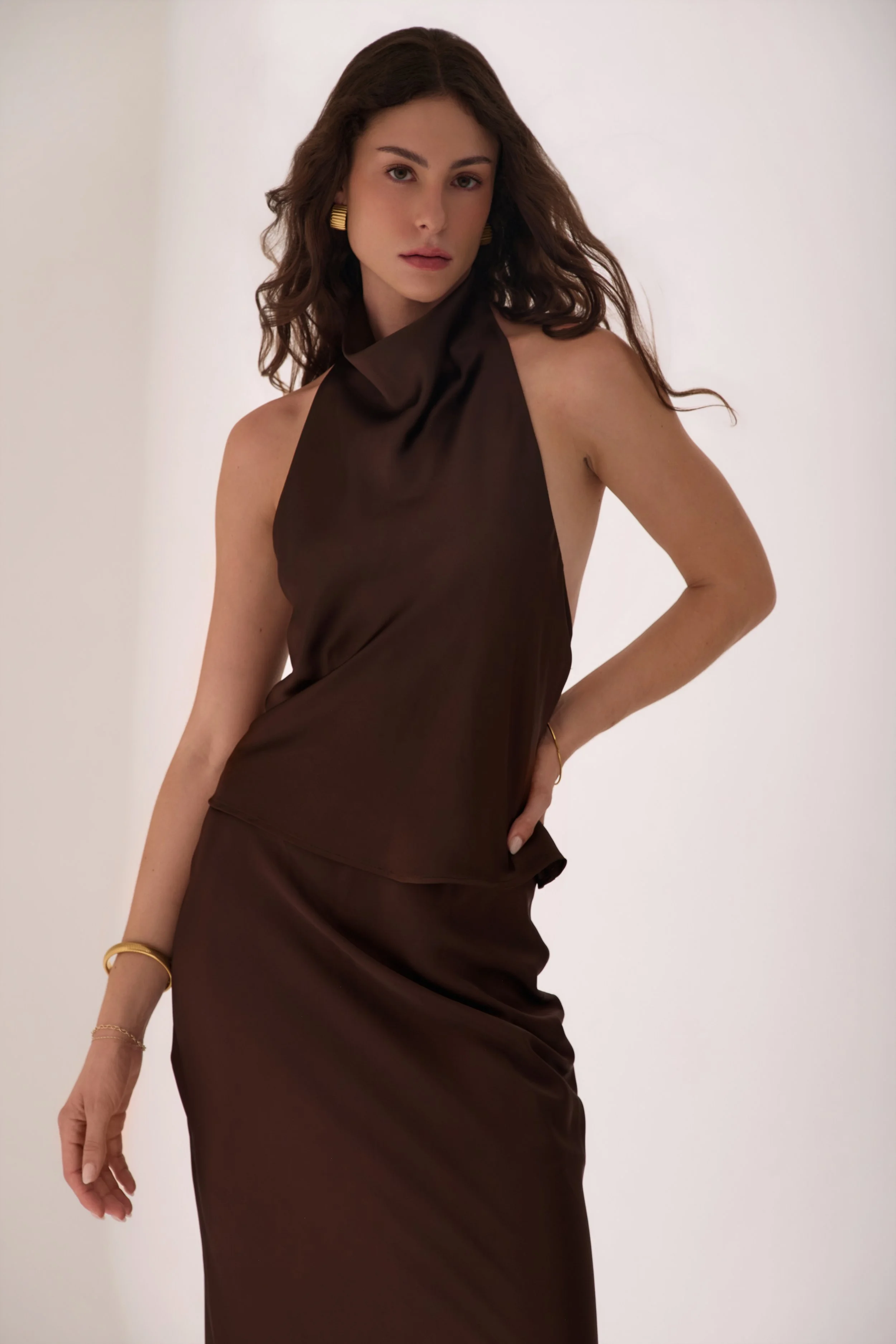
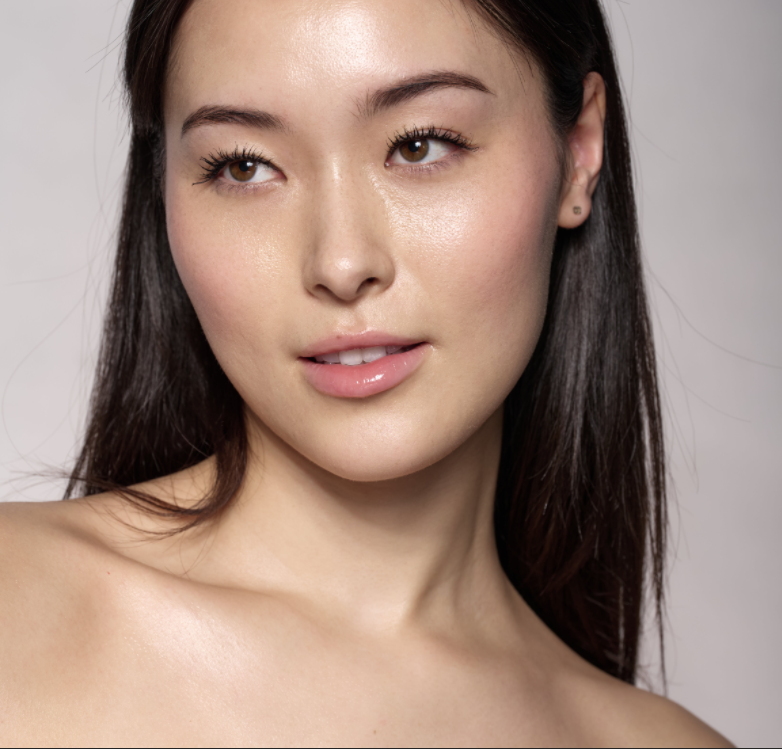
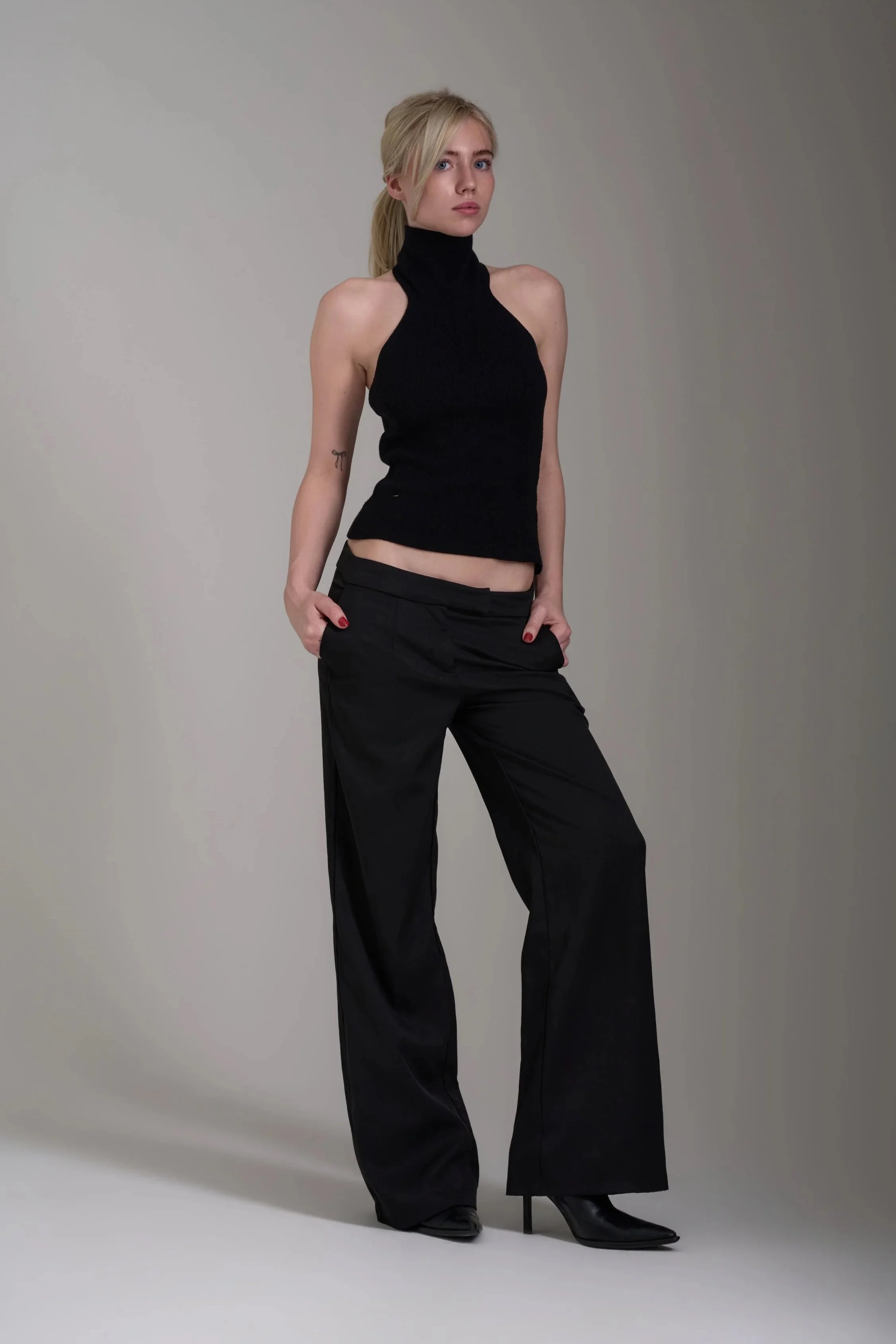
Portfolio photos are professionally styled and photographed images showing how you look on camera, how you express yourself and the different types of modelling work you could do.
Think of it this way:
Digitals show what you look like.
Portfolio photos show what you can do in front of a camera.
| Feature | Model Digitals (Polaroids) | Portfolio Photos |
|---|---|---|
| Purpose | Show your natural appearance | Show your modelling skills and versatility |
| Makeup | None or very minimal | Natural to creative, depending on the shoot |
| Clothing | Simple, fitted basics | Different outfits and styles |
| Background | Plain, neutral background | Studio or outdoor locations |
| Retouching | None | Professional, natural-looking editing |
| Photographer | A friend, family member or professional | Usually a professional photographer |
| For agency applications | Usually requested | Usually not required for beginners |
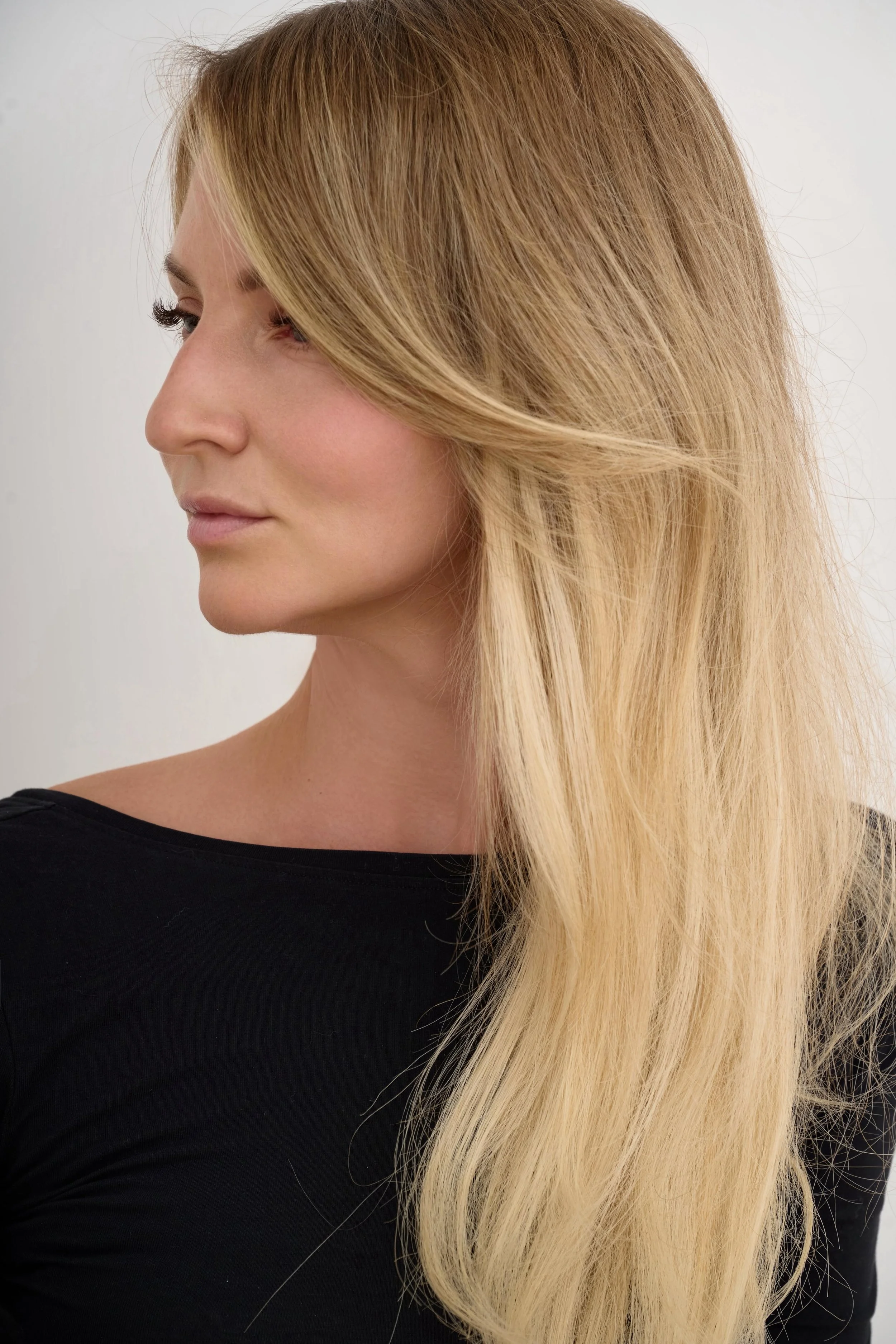
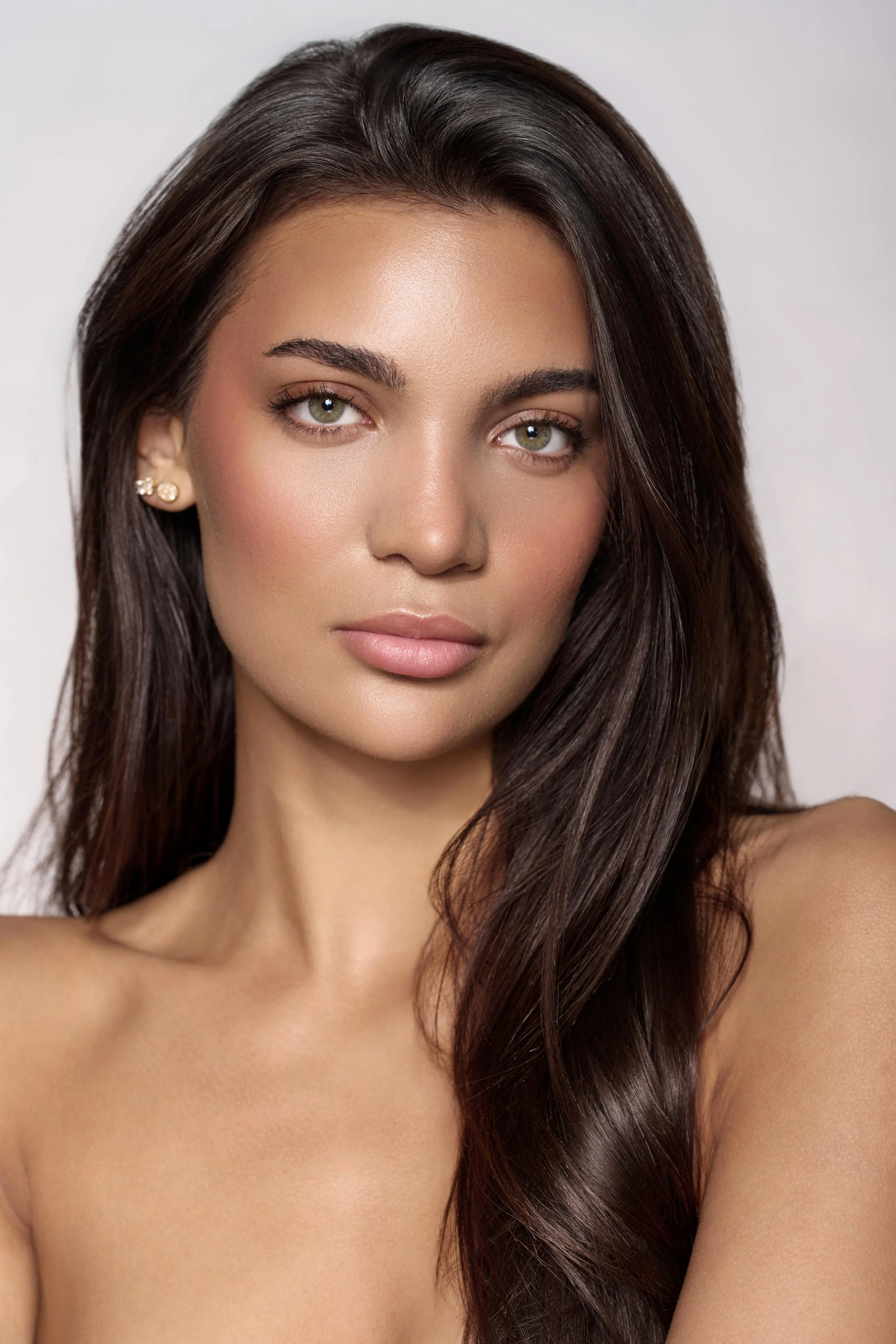
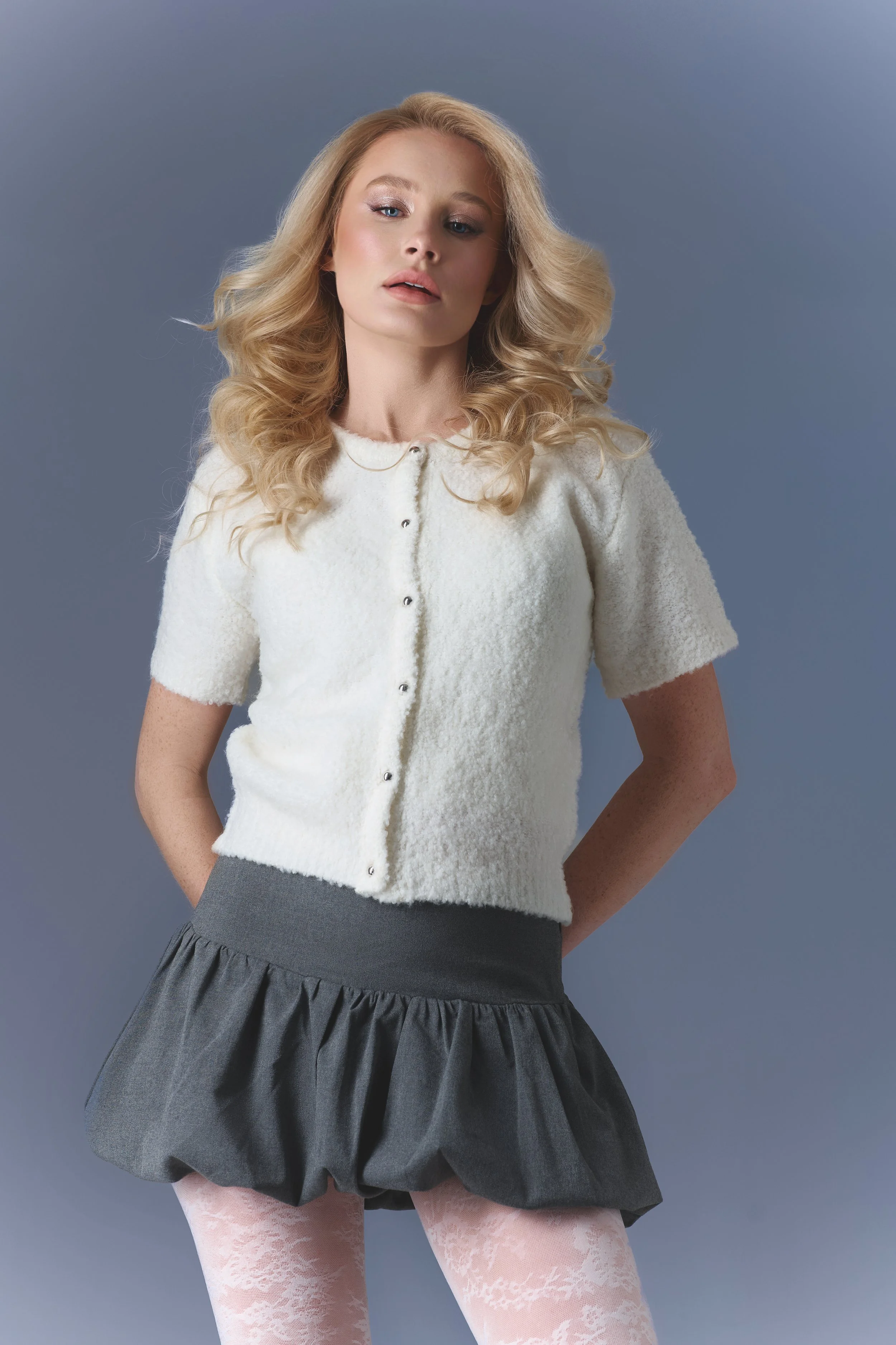
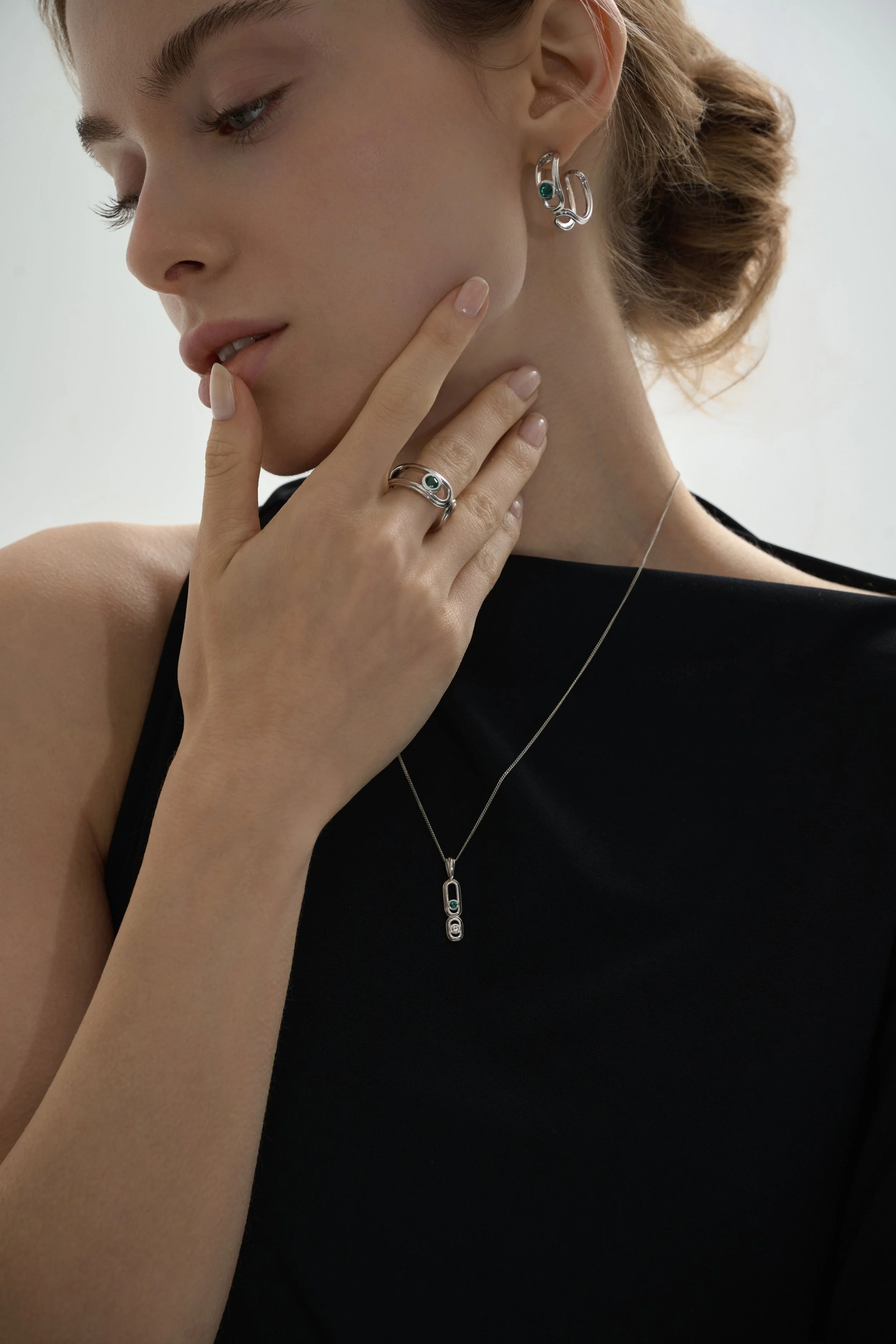
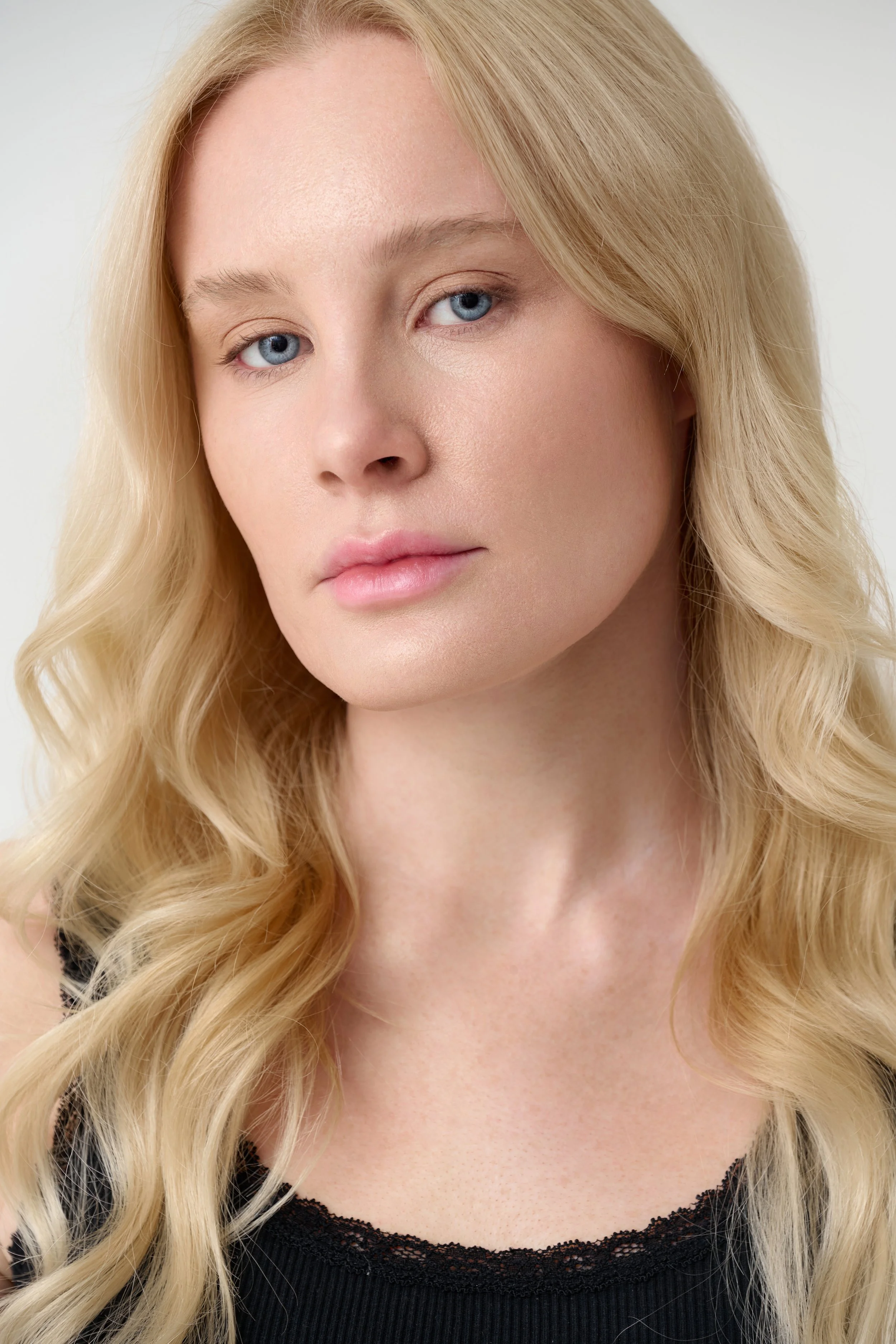
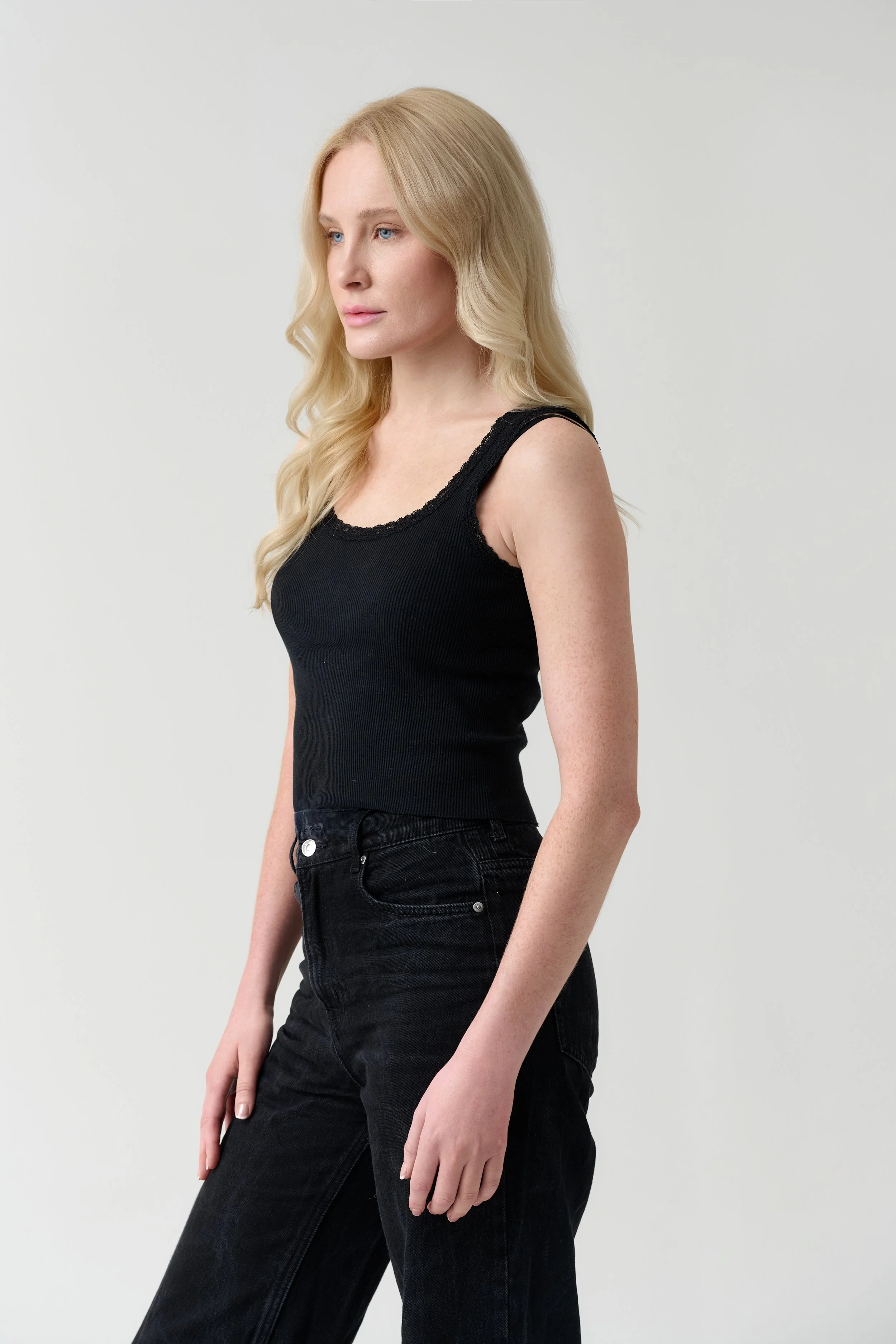
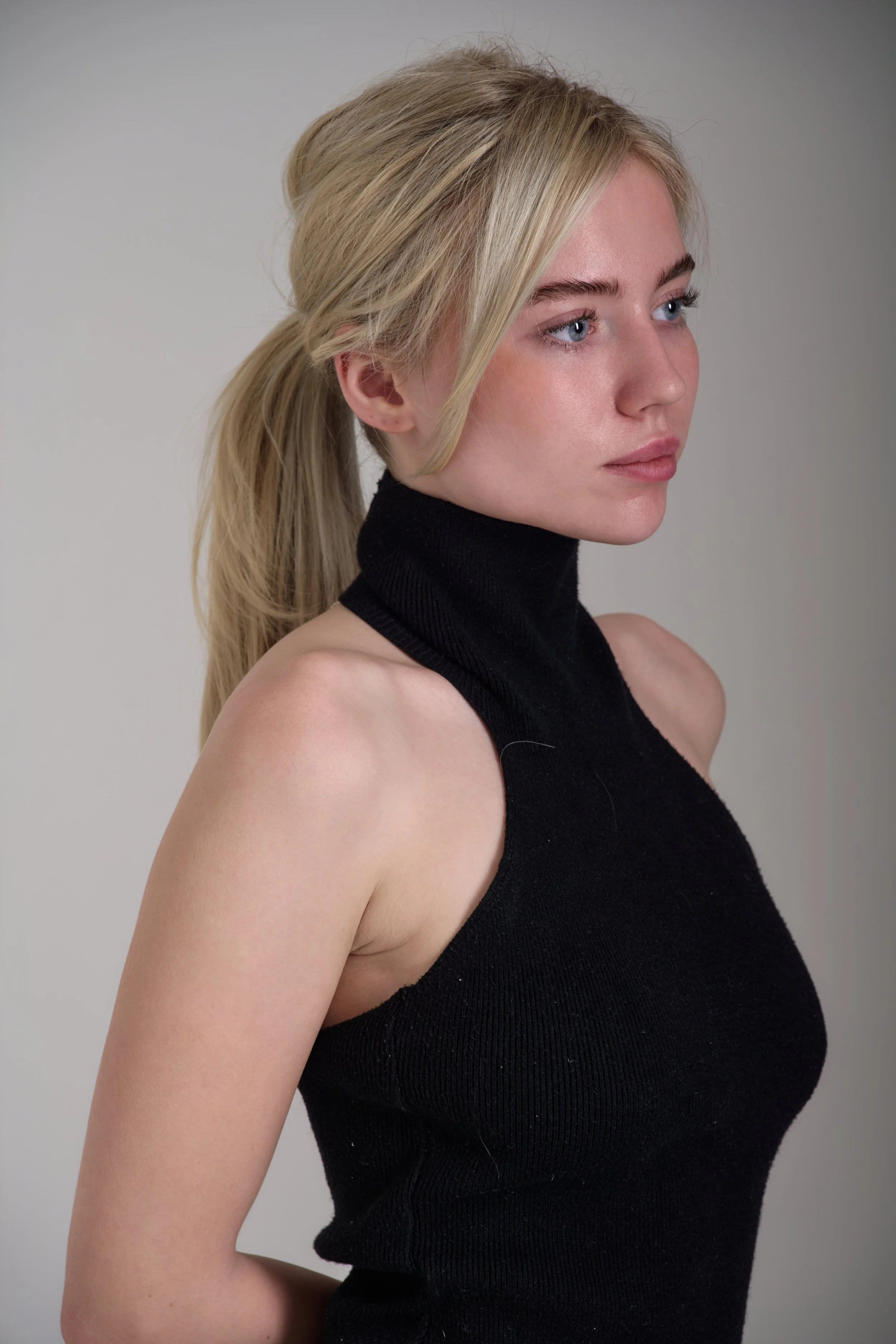
Examples of portfolio photos below.



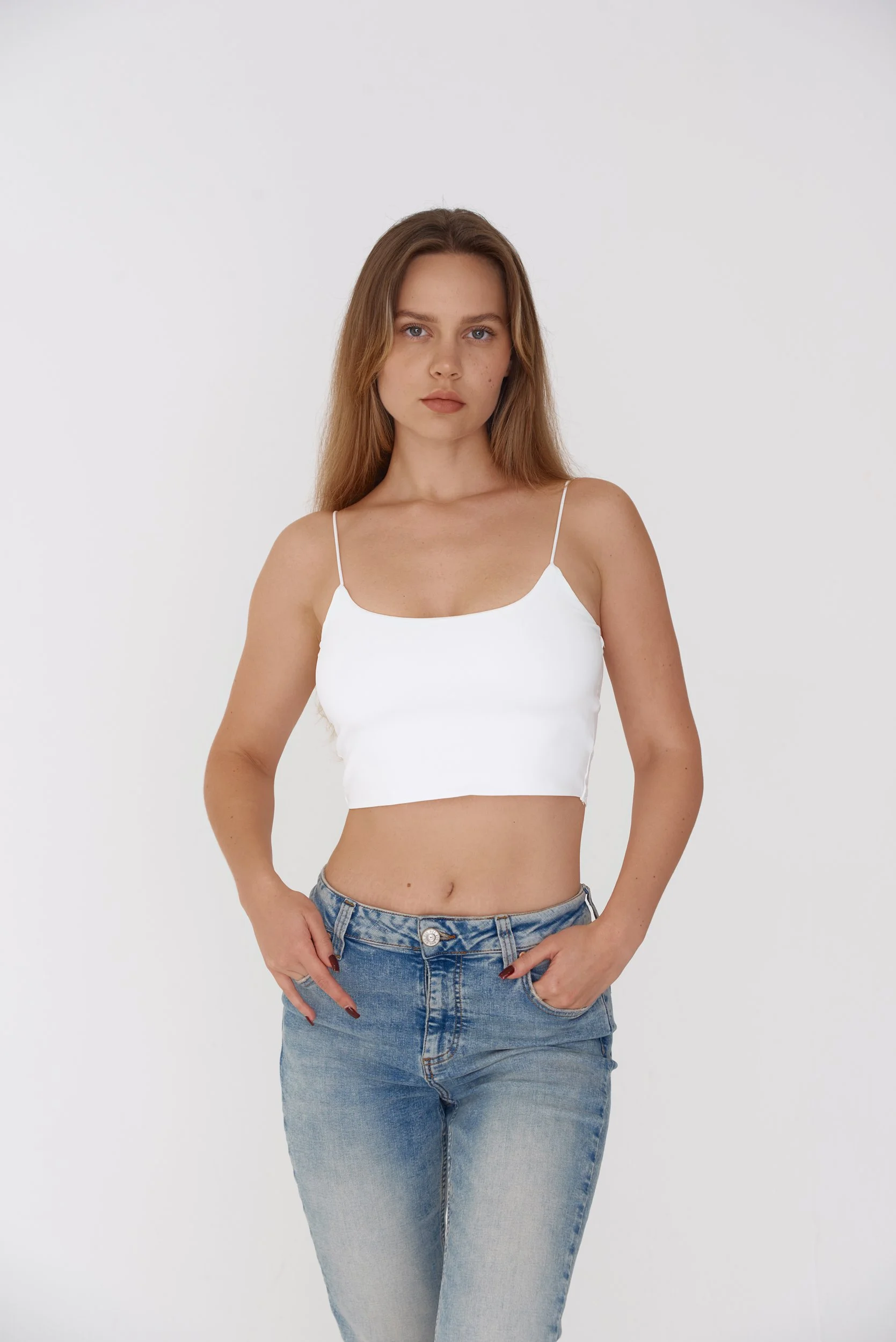
Examples of model digitals below.

What Are Model Digitals (or Polaroids)?
Model digitals are simple photographs that show your face, body proportions and natural appearance without styling, elaborate lighting or retouching.
Agencies use these photographs to understand what you genuinely look like before inviting you to a meeting, signing you or putting you forward for work.
And here's something that might surprise you: your digitals don't have to be taken by a professional photographer.
For example, established London agencies such as Models 1 and Storm Management specifically state that professional photographs aren't necessary for applications.
A well-lit photograph taken on your phone can be absolutely sufficient!
What digitals should you take?
Different agencies request slightly different photographs, but a useful starting set would include:
Front-facing headshot: Looking directly at the camera, with a relaxed, neutral expression.
Side profile: Showing your facial features from the side.
Smiling headshot: A natural smile, particularly useful for commercial modelling applications.
Full-length front photograph: Standing naturally, with your whole body visible.
Full-length side photograph: Showing your proportions from the side.
Full-length back photograph: Some agencies request this as well.
You don't necessarily need to submit all six photographs. Always check the application requirements of the particular agency you're approaching.
How to take good model digitals at home
You really don't need expensive equipment!
Find a plain, light-coloured wall (white or grey is ideal) and somewhere with plenty of natural daylight (ideally soft light). Ask a friend or family member to photograph you with your phone's rear camera. Or just use a tripod, record a video and do the screenshots of relevant poses.
A few practical tips:
Keep your outfit simple. Fitted jeans or leggings with a plain vest top usually work well. The idea is to show your natural proportions rather than hide them under oversized clothing.
Skip the makeup. Most agencies prefer a completely natural face, so they can see your actual features and skin.
Keep your hair natural. Avoid elaborate styling and make sure it doesn't cover your face.
Forget the filters. No skin smoothing, face reshaping, beauty filters or heavy colour adjustments. Your digitals should look like you.
Pay attention to the camera angle. Ideally, keep the camera around chest height for full-length photographs and approximately eye level for headshots. Avoid exaggerated wide-angle perspectives that distort your proportions.
Keep your poses simple. Stand comfortably, relax your shoulders and look towards the camera. You don't need to strike an elaborate fashion pose.
And please, don't worry about making these photographs look like something from a fashion magazine. That's not their purpose!
My photographer's tip: If you're taking your digitals on a phone, avoid standing too close to the camera, especially for headshots. Wide-angle lenses can exaggerate features when you're close to them. Take a little step back and use zoom in x2 if your phone allows it.
What Is a Modelling Portfolio?
Now, this is where things become more creative!
A modelling portfolio (often called a model book) is a carefully selected collection of photographs showcasing your appearance, expressions, posing abilities and versatility.
Unlike digitals, portfolio photographs can include different lighting, outfits, locations, makeup looks and photographic styles.
For example, your portfolio might feature:
Natural headshots: Clear, flattering portraits that show your face and personality.
Fashion photographs: Images demonstrating how you wear clothes, pose and move.
Beauty close-ups: Photographs focusing on your facial features, skin and expressions.
Commercial or lifestyle images: Natural smiles and relatable expressions suitable for advertising.
Editorial photographs: More creative images featuring interesting styling, poses and lighting.
But here's something important: a good portfolio isn't simply a collection of beautiful pictures.
Every image should have a purpose.
If you're interested in beauty modelling, strong close-ups showing your skin, facial features and expressions could be particularly useful.
If your goal is commercial or e-commerce modelling, clients may be more interested in natural expressions, confident movement and how clothing looks on you.
You don't need to demonstrate every possible modelling style. Ideally, your portfolio should reflect the kind of work you're interested in pursuing.
But what if you don't know what kind of modelling you'd like to do yet? That's absolutely fine! You're just starting out, and you don't need to have everything figured out.
If you're accepted by a modelling agency, your booker can help you understand which types of modelling might suit you best and how to develop your portfolio.
Alternatively, if you're arranging a portfolio photoshoot independently, you can discuss this with your photographer. You can experiment with different styles, from natural commercial looks to more creative fashion and beauty shots, and discover what works best for you, what feels most natural and, importantly, what you actually enjoy doing!
How many photographs do you need in your portfolio?
There's no magic number.
If you're just starting, a small selection of five or six strong, varied images can be far more useful than twenty nearly identical photographs.
For example, you could start with:
A clean, natural headshot.
A smiling portrait.
A full-length fashion photograph.
A beauty close-up.
A different outfit or lighting style that shows another side of your personality.
And remember: your portfolio doesn't need to be finished immediately. It's something you'll develop as you gain experience.
Do You Need Professional Portfolio Photos to Apply to a UK Modelling Agency?
No. And I think it's important to be very clear about this.
If you're completely new to modelling and want to apply to an established agency, your first step should normally be to visit its official website and check the application requirements.
Many agencies will ask for just a few simple photographs and your basic measurements.
For example:
Models 1 asks for natural, unretouched photographs and specifically explains that they can be taken on a phone.
Storm Management requests natural photographs without filters, retouching or makeup.
So if your main goal is to get signed by an agency, my advice would be to start with your digitals and apply directly.
There's no need to spend hundreds of pounds on a photoshoot before you've even contacted an agency.
And please be cautious if somebody tells you that you must pay for an expensive portfolio package to guarantee agency representation or modelling work. No photographer can legitimately promise that a paid photoshoot will get you signed.
So, When Is a Professional Model Portfolio Photoshoot Worth It?
You might be thinking: If I don't need professional photos to apply, why would I book a portfolio shoot at all?
Good question!
There are several situations where a professional photoshoot can be a worthwhile investment.
1. You want to practise posing and feel more confident
This is something I particularly enjoy helping beginner models with.
Let's face it: standing in front of a professional camera can feel intimidating when you've never done it before.
What do you do with your hands? Where should you look? How do you change your expression without feeling awkward?
During a guided portfolio photoshoot, you can learn how different poses, movements and facial expressions translate into photographs.
And you can see the results as you go, which makes the whole process much easier to understand.
It's a chance to gain experience in a supportive environment, without the pressure of a commercial client waiting for results.
2. You're building a portfolio independently
Not every model follows the traditional agency route.
You might be interested in freelance modelling, working directly with independent fashion and beauty brands, creating content or exploring commercial opportunities.
In these situations, having a small collection of professional photographs can help demonstrate your abilities to potential clients.
3. You've signed with an agency and need portfolio images
Once you're represented, your agency may organise test shoots to start building your book.
A test shoot is a photoshoot designed to create portfolio images rather than photographs for a paying advertising client.
If you're already signed, I'd recommend speaking to your agent before independently arranging additional shoots. They can help identify which images your portfolio needs and may have photographers they prefer working with.
4. Your existing portfolio needs an update
Perhaps you've already had a few photoshoots, but most of your images look quite similar.
Or maybe your appearance has changed, or you're hoping to explore a different type of modelling.
A thoughtfully planned portfolio update can help fill those gaps.
For example, if you already have plenty of dramatic fashion images, you might benefit more from natural headshots and relaxed commercial photographs than another editorial shoot.
What Happens During a Professional Model Portfolio Photoshoot?
If you've never attended a photoshoot before, don't worry - you're not expected to arrive knowing how to pose!
Every photographer works differently, but here's how I approach portfolio sessions.
Before the shoot: We'll discuss your goals, the types of images you'd like to create and any existing photographs you have. I'll put together a moodboard and help you choose suitable outfits. Often, simple pieces from your own wardrobe work perfectly.
During the shoot: I'll guide you through posing, body positioning, hand placement, movement and facial expressions. We'll also review photographs together as we go, so you can see what's working and make adjustments.
After the shoot: You'll receive your photographs and can choose which images you'd like professionally retouched.
My approach is particularly hands-on because I know how unfamiliar the process can feel when you're starting out.
If you'd like to see examples of my work or explore the different photoshoot options, you can visit my Model Portfolio Photography page.
Should You Pay a Photographer to Take Your Model Digitals?
Not necessarily!
If you're applying to modelling agencies for the first time, I'd genuinely recommend trying to take your digitals at home first.
Most agencies are perfectly happy with clear phone photographs, provided they follow the submission requirements.
However, if you're struggling to get the lighting, angles or framing right, or simply prefer having someone experienced guide you, professional digitals are also an option.
The key difference is that professional digitals should still look completely natural.
No dramatic lighting, elaborate makeup, beauty retouching or anything that changes your actual appearance.
I can also help with natural model digitals where needed, alongside more creative portfolio photography. We can discuss what you're hoping to achieve and whether a simple set of digitals or a more comprehensive portfolio session would make sense.
My Advice If You're Completely New to Modelling
If I were advising someone who had never modelled before, this is the order I'd suggest:
Step 1: Decide what interests you. Fashion, beauty, commercial, lifestyle, e-commerce? You don't need to know exactly where you'll fit, but exploring the different types of modelling is a useful starting point.
Step 2: Take your digitals. Use natural light, simple clothing and no retouching.
Step 3: Research reputable agencies. Look at the types of models they represent and follow the application instructions on their official websites.
Step 4: Apply without spending money unnecessarily. You don't need a professional portfolio simply to see whether an agency is interested.
Step 5: Build experience and develop your portfolio when it makes sense. That might be through agency-arranged test shoots, independently planned sessions or your first commercial jobs.
And please remember that there isn't just one route into modelling. Fashion, commercial, beauty, lifestyle and e-commerce modelling can have quite different requirements.
Your first photographs don't need to be perfect. They need to be honest, appropriate for their purpose and a good representation of you.
Final Thoughts
Starting out in modelling can feel confusing, especially when you're surrounded by advice about everything you supposedly need to buy or prepare.
But the most important thing to remember is this: You don't need an expensive modelling portfolio to take your first step.
Start with good digitals, research agencies carefully and give yourself time to learn about the industry.
And when you're ready to build your portfolio, practise in front of the camera or create photographs that reflect your modelling goals, that's where a professional photoshoot can become genuinely valuable.
If you're looking for a photographer who works with beginners as well as experienced models, you're very welcome to explore my model portfolio photoshoots.
I'd be happy to help you work out what kind of photoshoot would suit your goals - even if the answer is that you only need a few simple digitals for now.